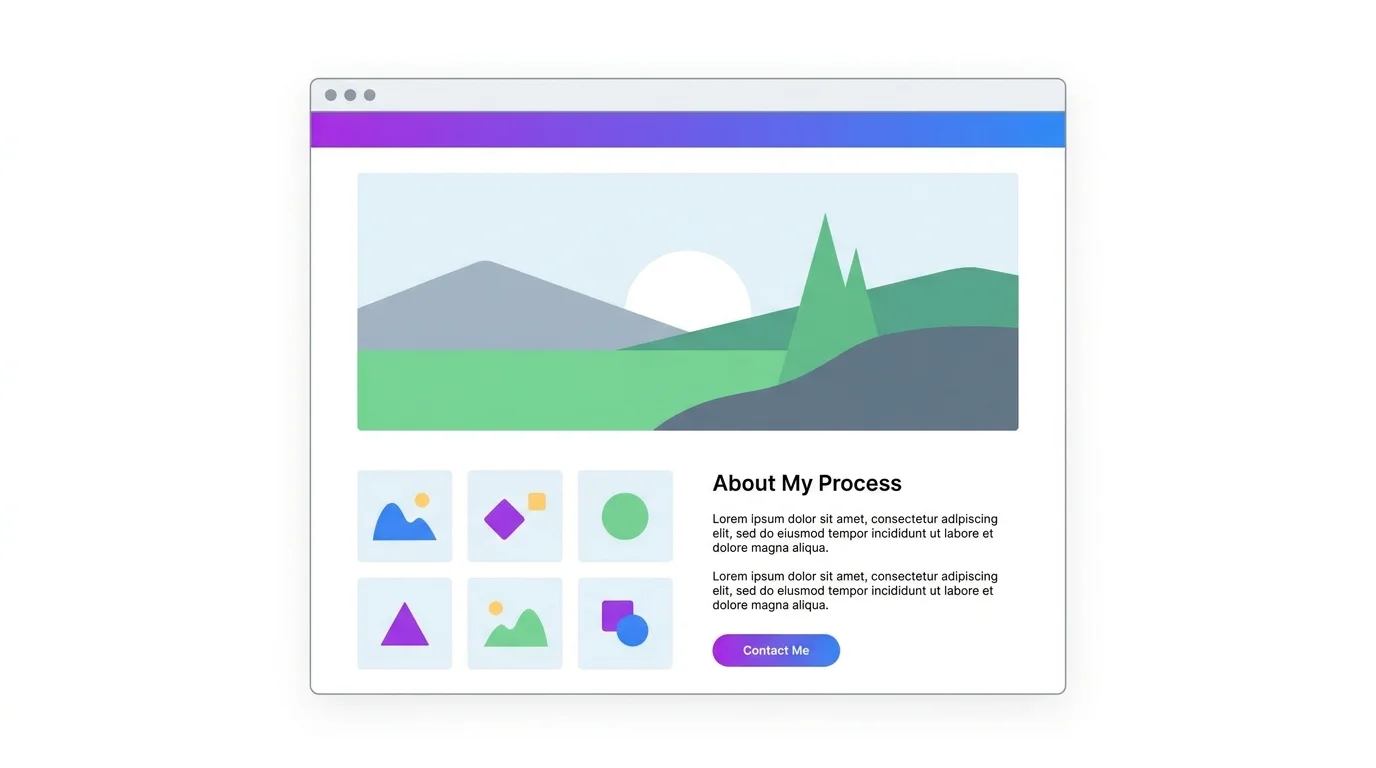
Why You Need an AI Art Portfolio
Freelance and Client Work
Clients hiring AI art creators need to see your work before committing. A portfolio proves you can produce consistent quality, handle different styles, and deliver professional results. Without one, you are invisible to potential clients.
Personal Brand
A curated portfolio establishes you as a professional, not a hobbyist. It separates you from the millions of people who casually generate AI images. Your portfolio is your creative identity.
Community Recognition
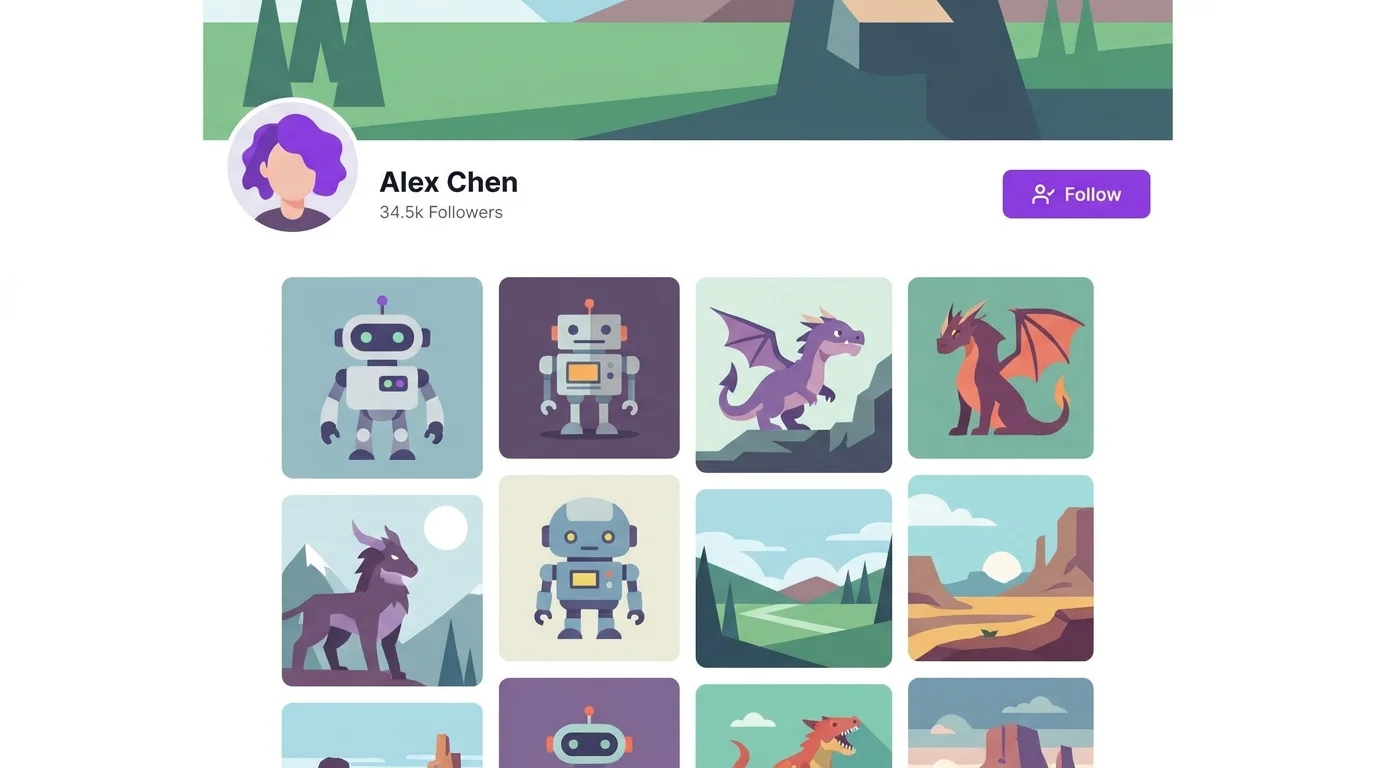
Platforms like ArtStation and Behance have discovery features that surface quality portfolios. A well-organized portfolio can attract followers, collaboration offers, and opportunities you would never find otherwise.
What to Include in Your Portfolio
Best Work Only
Include only your top 15-25 pieces. Every image should make someone stop and look. If a piece does not impress you, it will not impress a client. Curate ruthlessly - your portfolio is only as strong as your weakest piece.
Variety of Styles
Show range: photorealistic portraits, fantasy scenes, product shots, character designs. If you specialize in one style, show 3-4 variations within that style to demonstrate depth. Clients want to know you can handle their specific needs.
Before and After Prompt Evolution
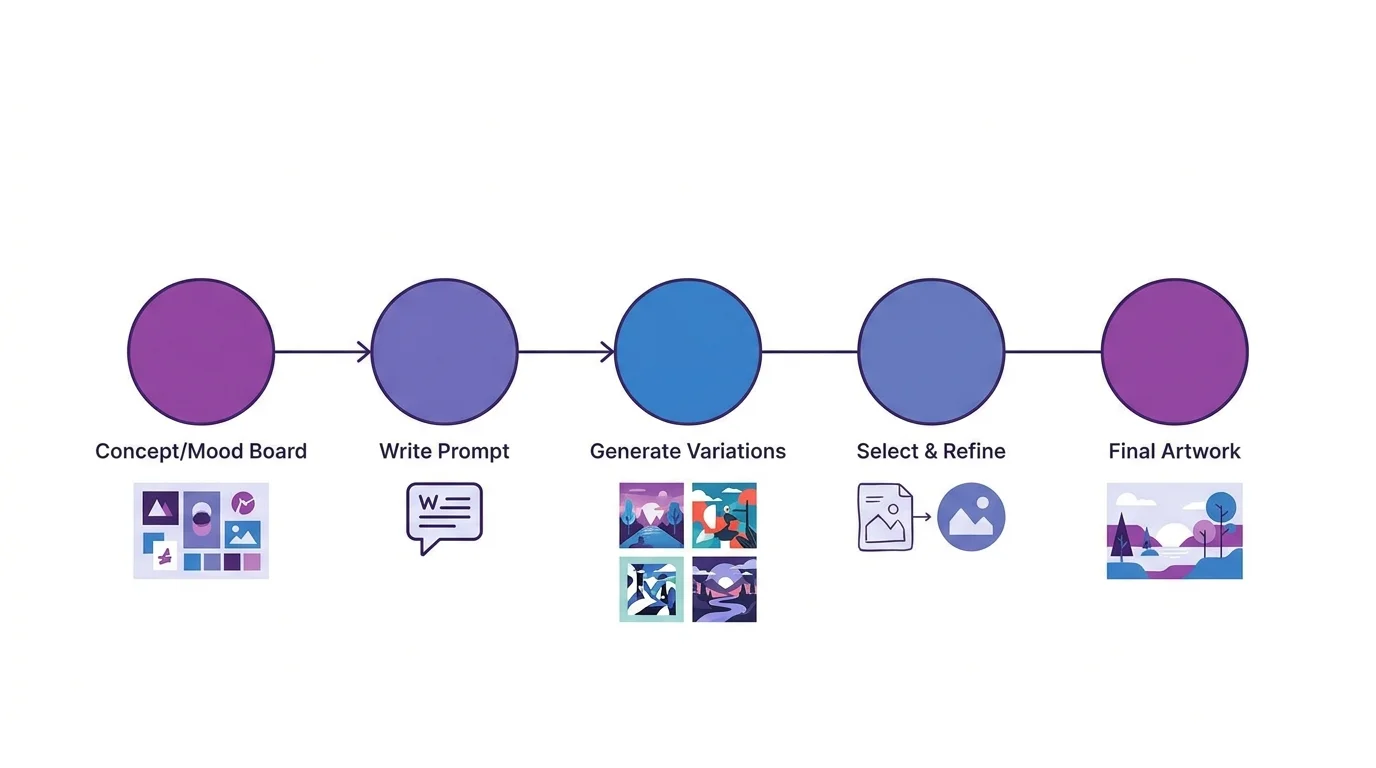
Include 2-3 case studies showing your prompt refinement process. First attempt vs final result. This demonstrates expertise - you are not just generating random images, you are engineering specific outcomes.
Story Series Showcases
If you create AI stories, include a highlight reel. Show 5-6 images from your best story with a brief description. This proves you can maintain consistency and narrative coherence across multiple images.
Where to Host Your Portfolio
| Platform | Best For | Cost | Audience |
|---|---|---|---|
| ArtStation | Industry standard for digital art | Free | Professional artists, studios |
| Behance | Design-focused portfolio | Free | Designers, agencies |
| Personal Website | Maximum control, SEO | $5-15/mo | Direct clients |
| Social proof, reach | Free | General audience |
How to Present AI Art Professionally
Include Your Prompts
Selectively share prompts alongside finished pieces. This demonstrates prompt engineering skill and sets you apart from beginners. Show your expertise in crafting the right keywords, parameters, and style directions.
Credit Your Tools
Mention which AI generators you used. "Created with Midjourney" or "Generated using Stable Diffusion with custom LoRA." Transparency is respected in the AI art community and builds trust with clients.
Show Your Process
Document your creative workflow: mood board, initial generations, refinement iterations, final result. This demonstrates that AI art is not "pushing a button" - it is a creative process that requires skill and vision.
Portfolio Structure Template
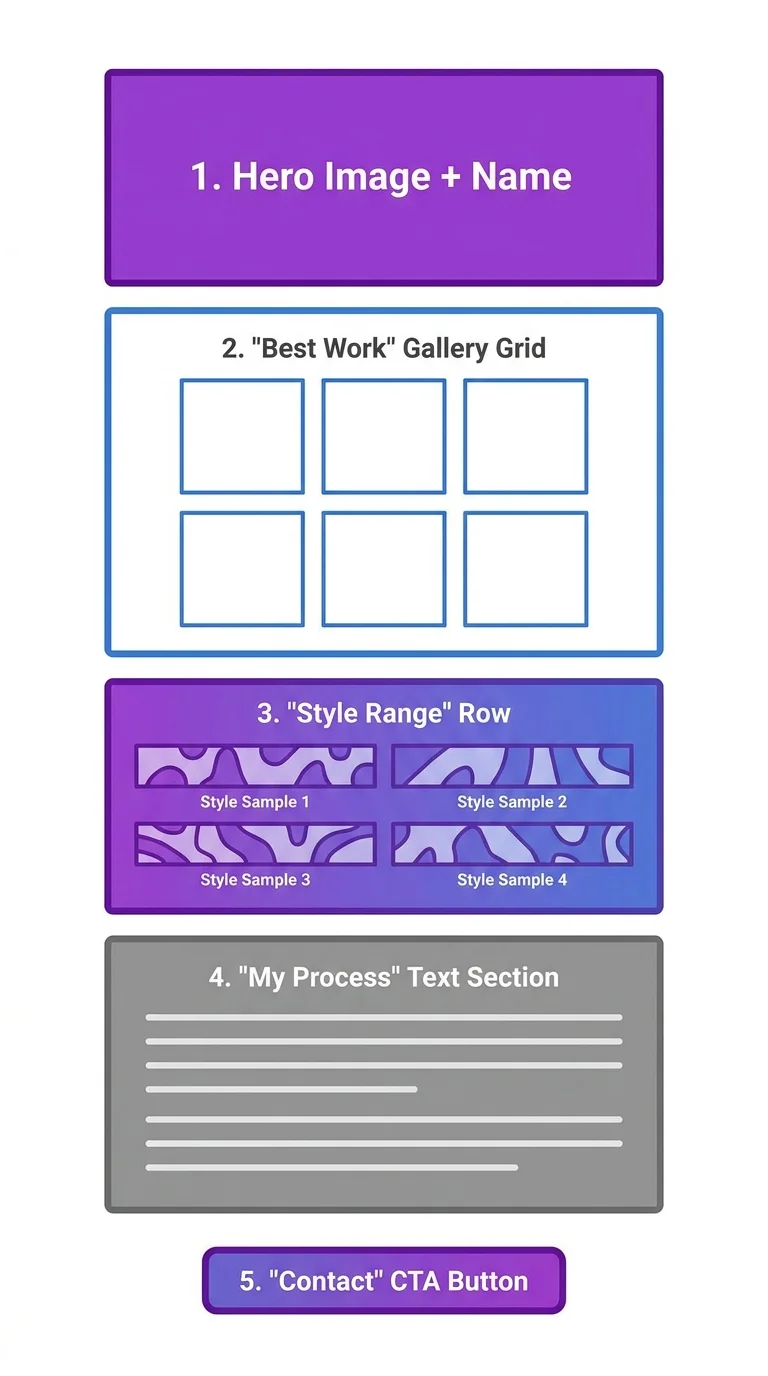
- Hero Section: Your single best image, large and impactful. Your name and a one-line tagline ("AI Art Director specializing in cinematic storytelling")
- Category Sections: Organize by type - portraits, landscapes, products, stories. 4-6 images per category
- Process Case Study: One detailed breakdown showing your workflow from concept to final result
- About and Process: Brief bio, tools you use, your creative approach
- Contact: Email, social links, commission rates if applicable
Getting Your First Clients or Commissions
Start with these approaches:
- Fiverr/Upwork: List AI art services. Start with competitive pricing to build reviews. Common gigs: social media content packs, book covers, product mockups
- Direct outreach: Contact small businesses, indie game developers, or self-published authors who need affordable visual content
- Social media: Post consistently, engage with your niche community, and make it clear you accept commissions
- Collaboration: Partner with writers, game developers, or content creators who need visuals
Position yourself as a creative problem-solver who happens to use AI tools, not as someone who "types things into Midjourney." Your value is the creative vision, art direction, and prompt engineering expertise.