AI Image & Prompt Guides Learn AI Art Generation in 2026
Master AI image prompts from scratch. Free guides covering prompt writing, art styles, every major generator, storytelling techniques, and commercial use - all with copy-paste examples.
📖 Quick Navigation

AI Prompt Writing Guides
Everything you need to write prompts that produce stunning AI images. From your first prompt to advanced techniques like weighted keywords, negative prompts, and style mixing.
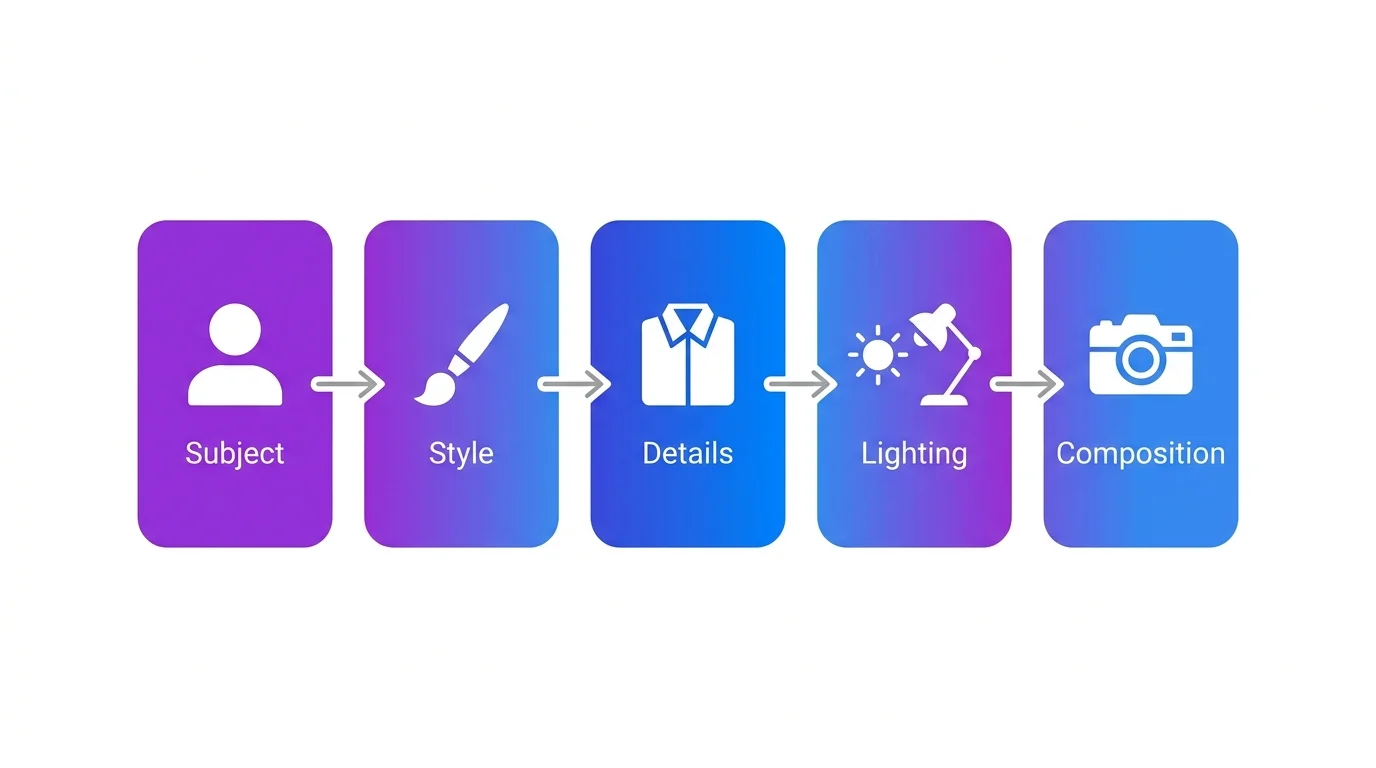
How to Write AI Image Prompts
Master the prompt formula: subject, style, lighting, composition. From beginner to pro with copy-paste examples.
Read Guide →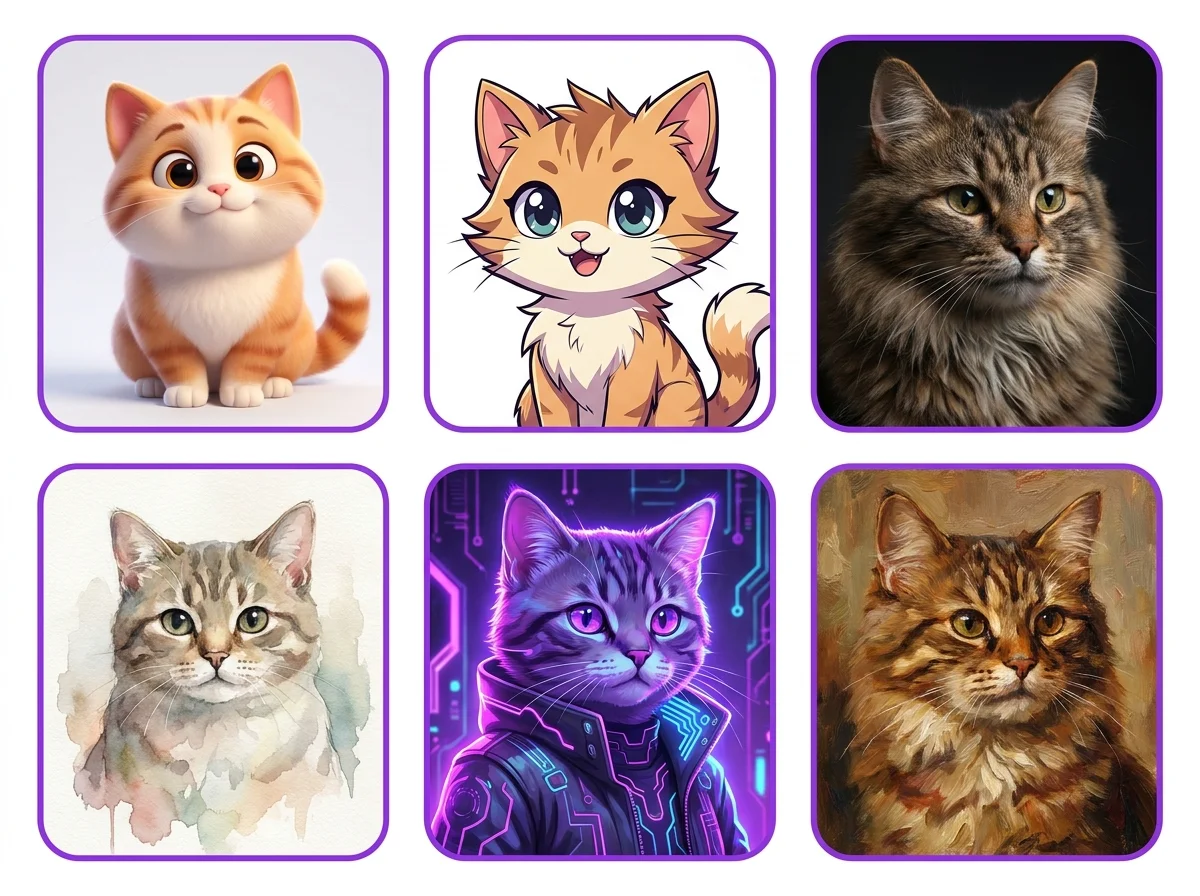
AI Art Styles Explained
Pixar, anime, photorealistic, watercolor, cyberpunk & 15+ more. Learn every style keyword with visual examples.
Read Guide →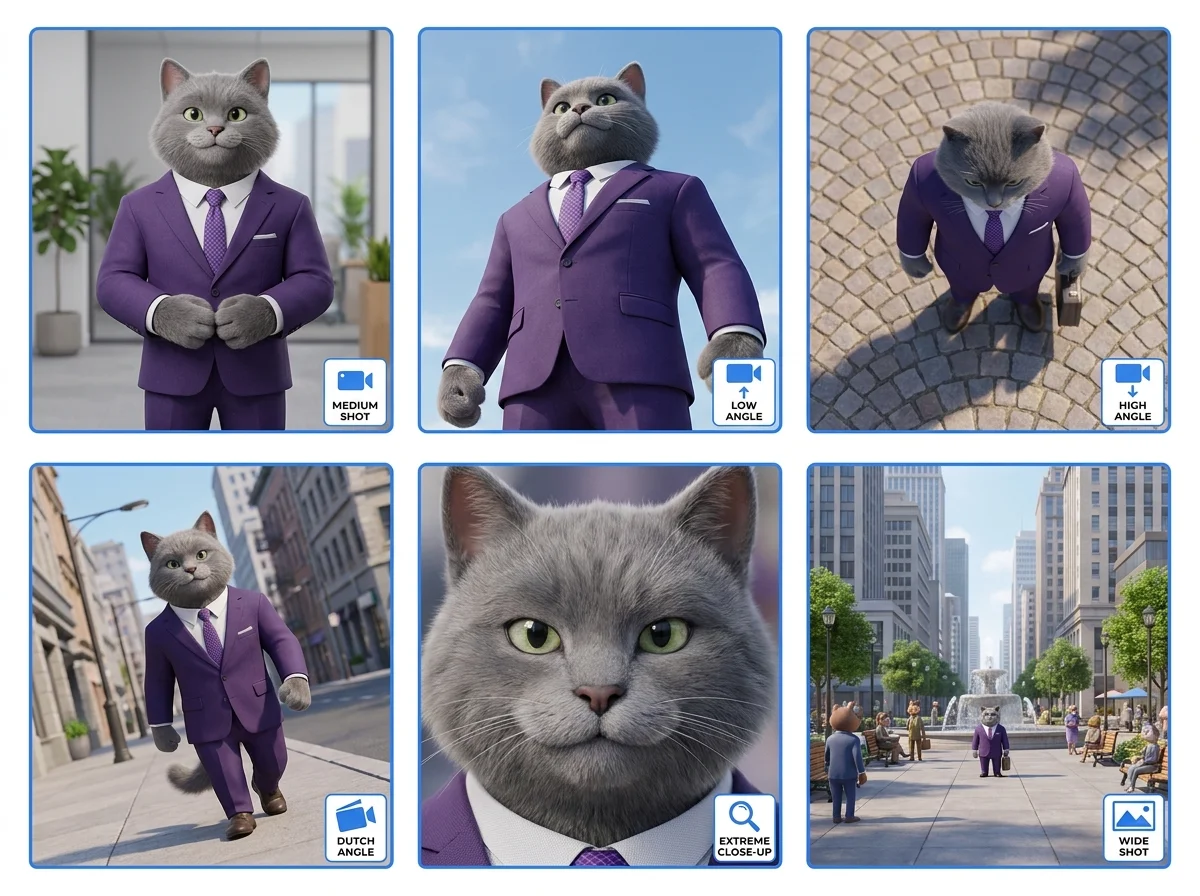
Camera Angles & Lighting
Transform flat AI images into cinematic art. Golden hour, Rembrandt, low angle, bokeh & more.
Read Guide →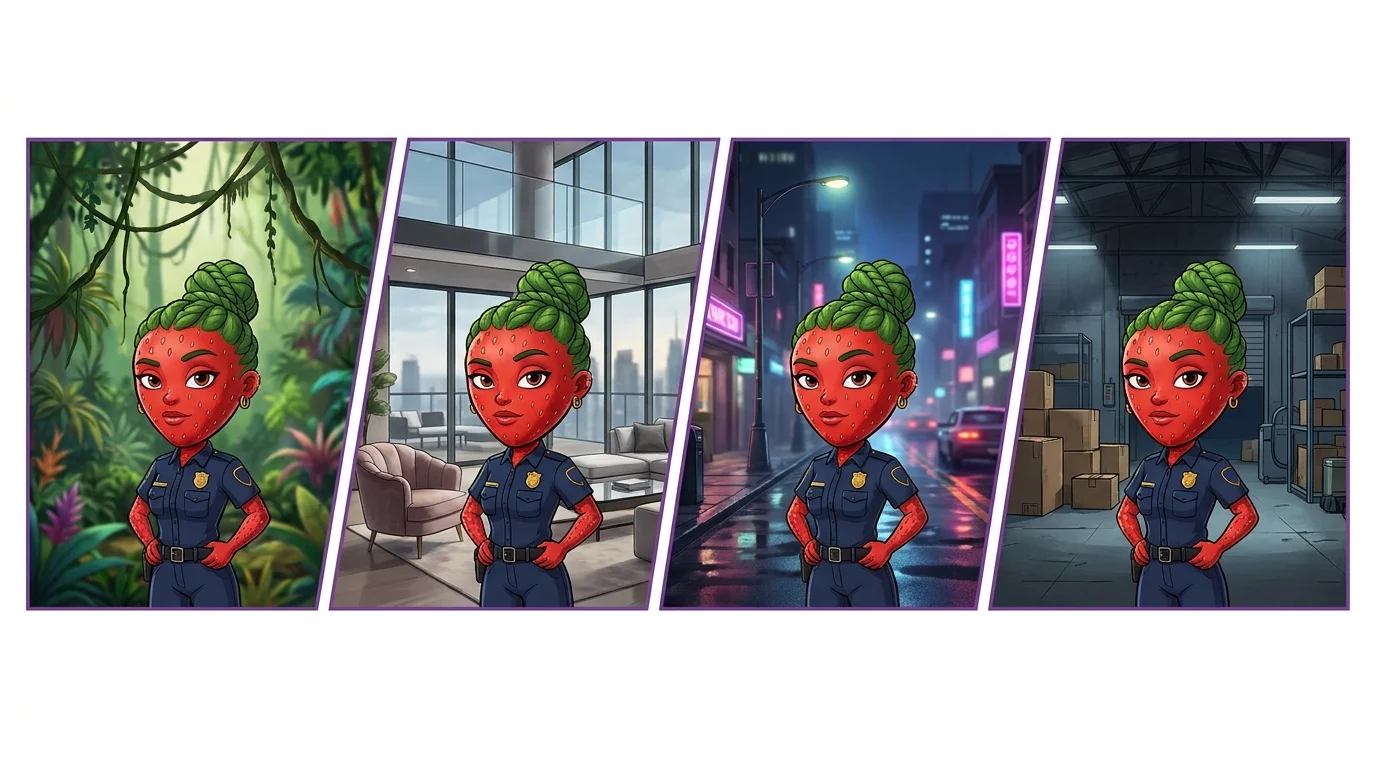
Character Consistency in AI Art
Keep the same character across multiple images. Reference sheets, --cref, IP-Adapter & LoRA techniques.
Read Guide →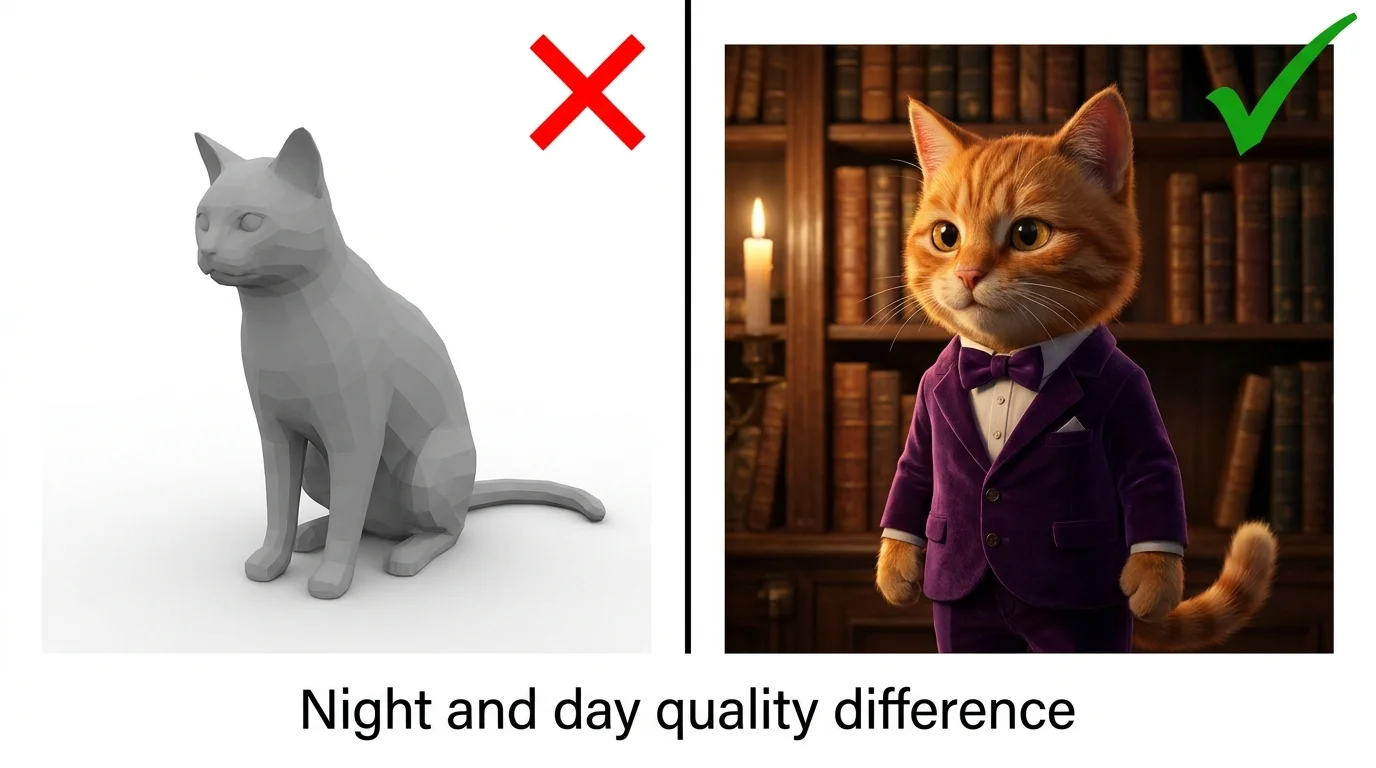
10 AI Prompt Mistakes to Avoid
Why your AI images look bad - and exactly how to fix each problem. Includes a checklist.
Read Guide →AI Visual Storytelling Guides
Create complete visual narratives with AI. From planning your story to publishing on TikTok. Learn scene-by-scene prompting, character consistency, and cinematic techniques.
How to Create AI Visual Stories
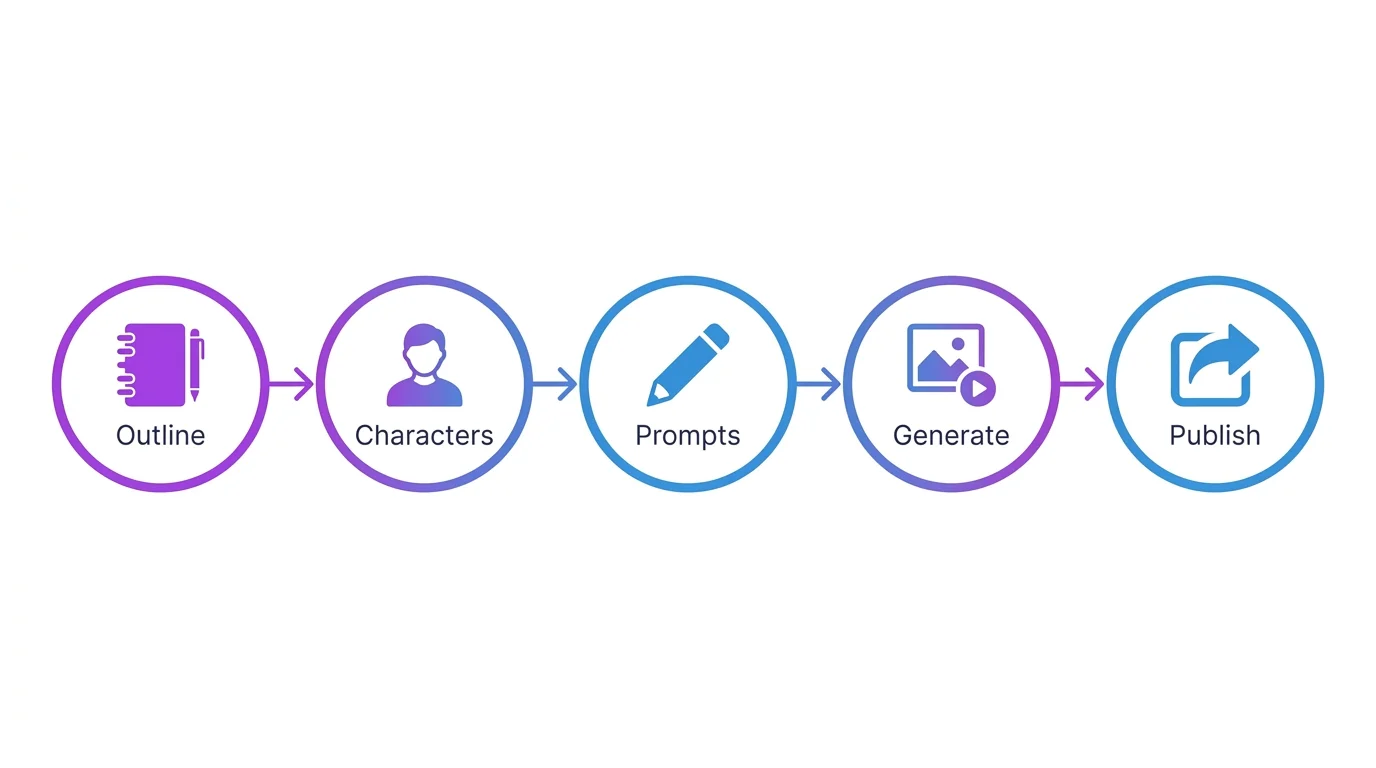
Step-by-step from outline to published story. Character design, scene prompts, and publishing workflow.
Read Guide →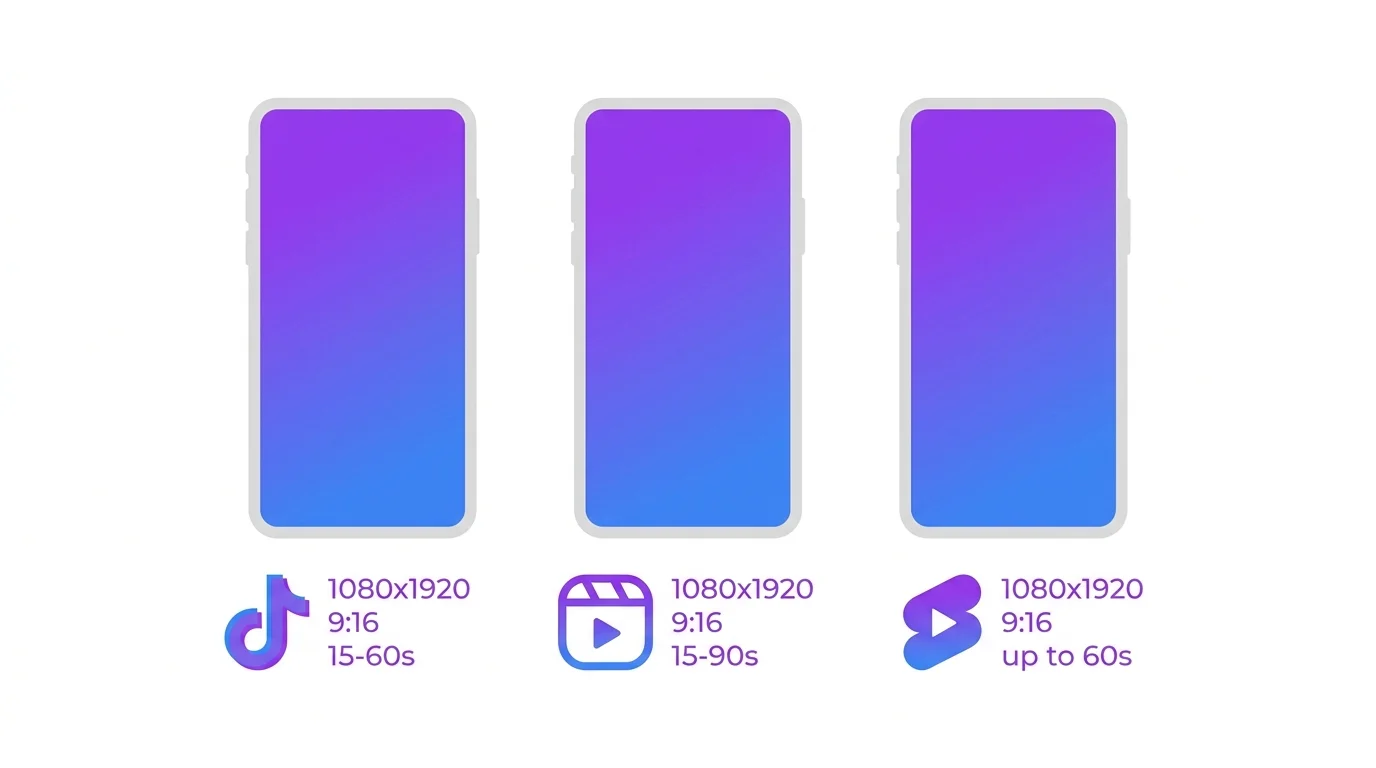
AI Storyboarding for TikTok & Reels
Vertical 9:16 prompts, CapCut editing, viral structures, and posting strategy for short-form content.
Read Guide →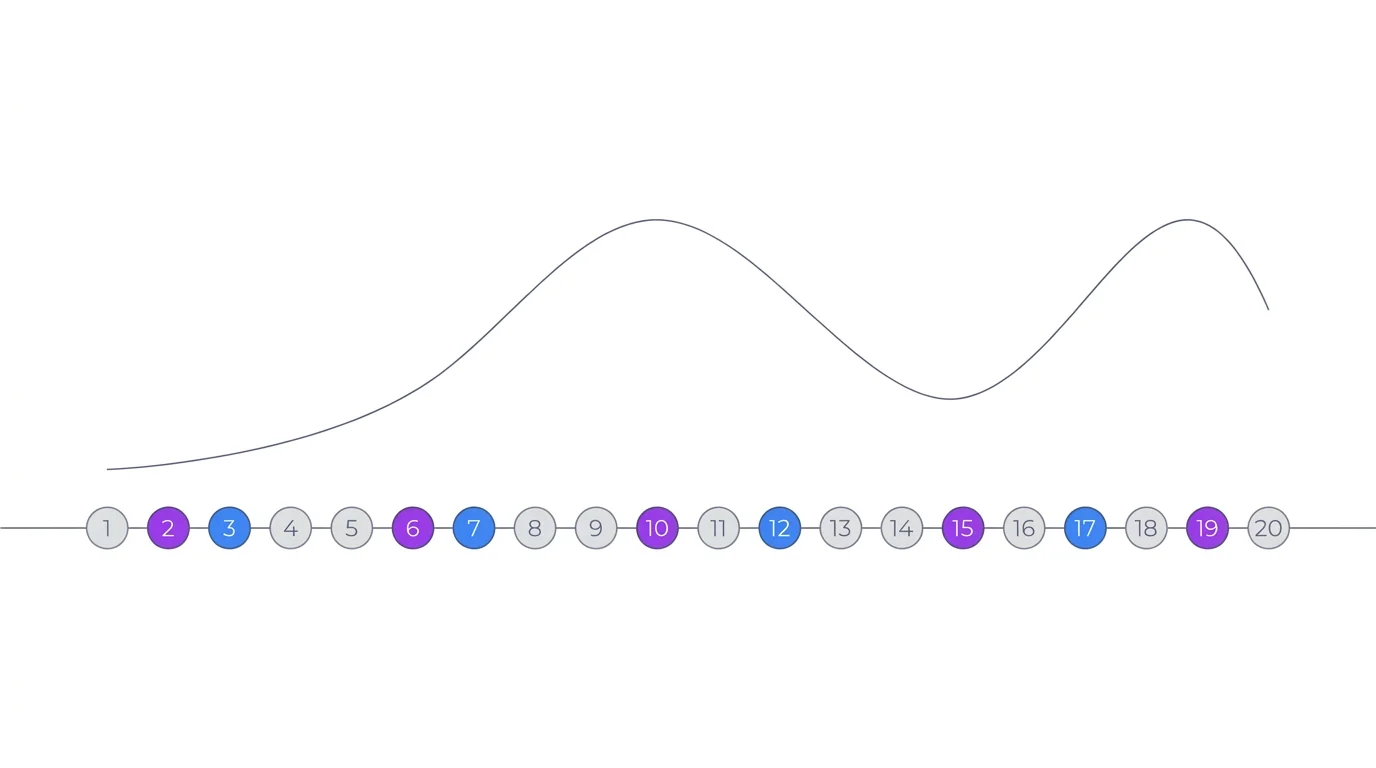
Scene-by-Scene AI Prompting
Build a full visual narrative with connected scenes. Pacing, transitions, and expression progressions.
Read Guide →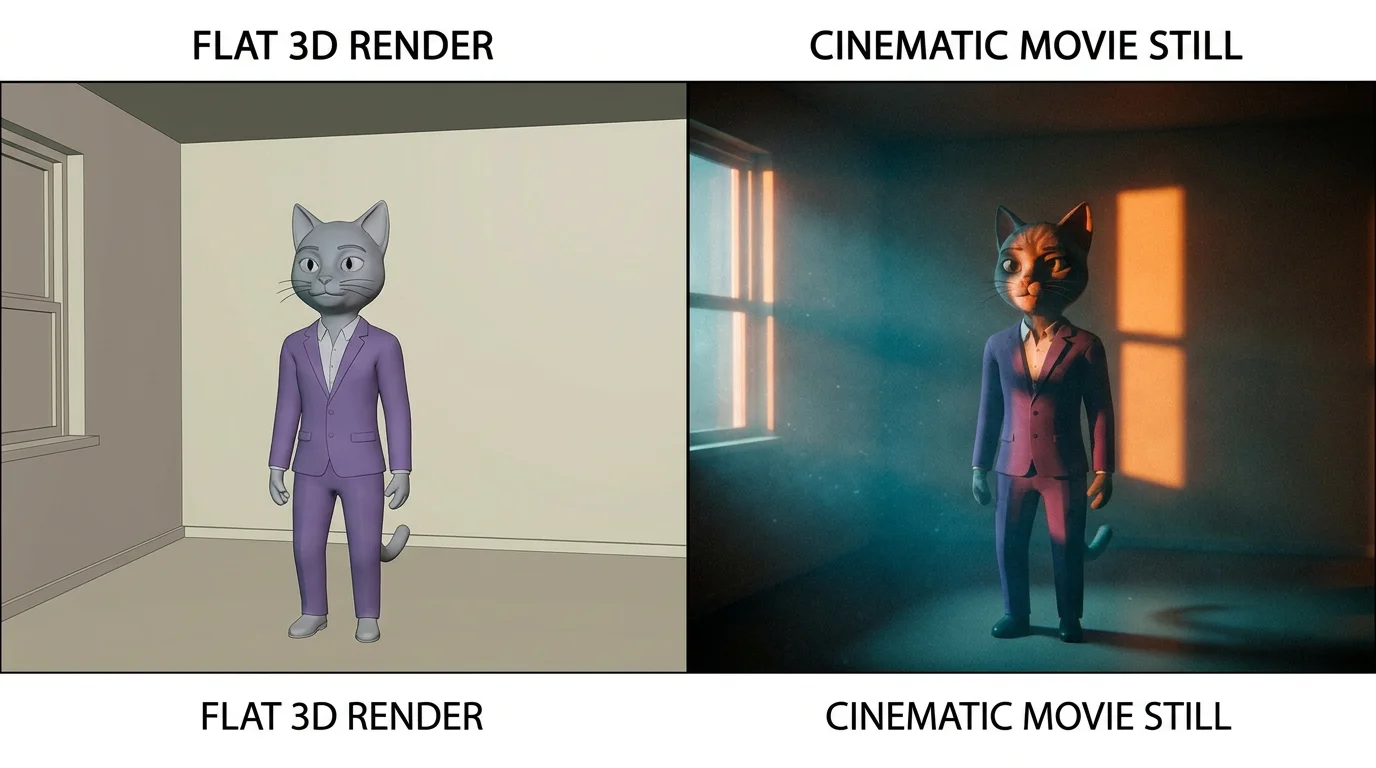
Cinematic Narratives with AI
Film techniques in AI prompts: shot types, color grading, mood boards, and emotional composition.
Read Guide →AI Image Generator Tool Guides
Deep-dive tutorials for every major AI image generator. Midjourney parameters, ChatGPT image generation, Leonardo AI settings, Stable Diffusion syntax - all with platform-specific tips.
Best AI Generators Compared
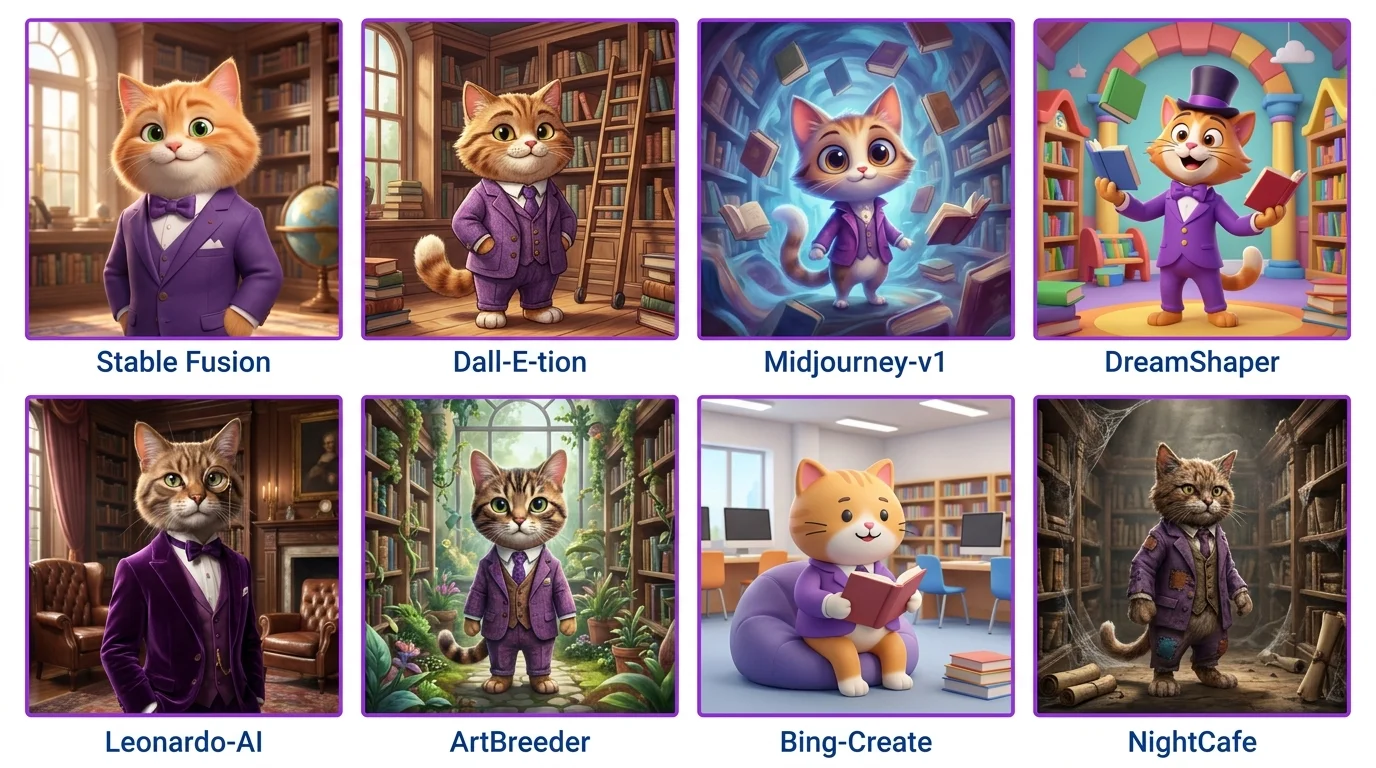
Side-by-side ranking of Midjourney, DALL-E, Leonardo, Stable Diffusion, Flux & more. Pricing included.
Read Guide →
Midjourney Prompt Guide
All parameters explained: --ar, --stylize, --cref, --sref, --chaos. Plus 10 free prompts to copy.
Read Guide →
ChatGPT + DALL·E Guide
Conversational prompting, inpainting, style transfer, and how GPT image generation compares to Midjourney.
Read Guide →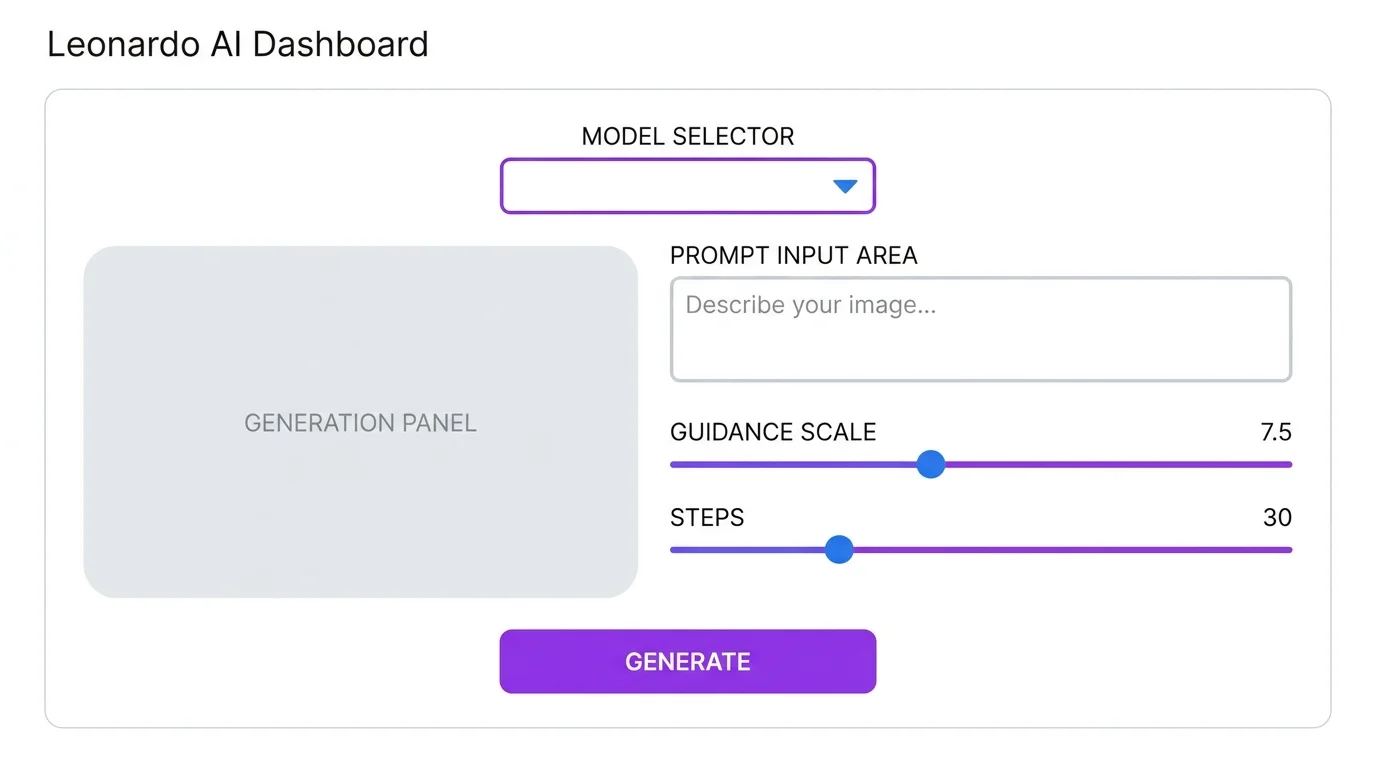
Leonardo AI Beginner Guide
Models, tokens, Real-Time Canvas, and the best settings for different styles. Free tier included.
Read Guide →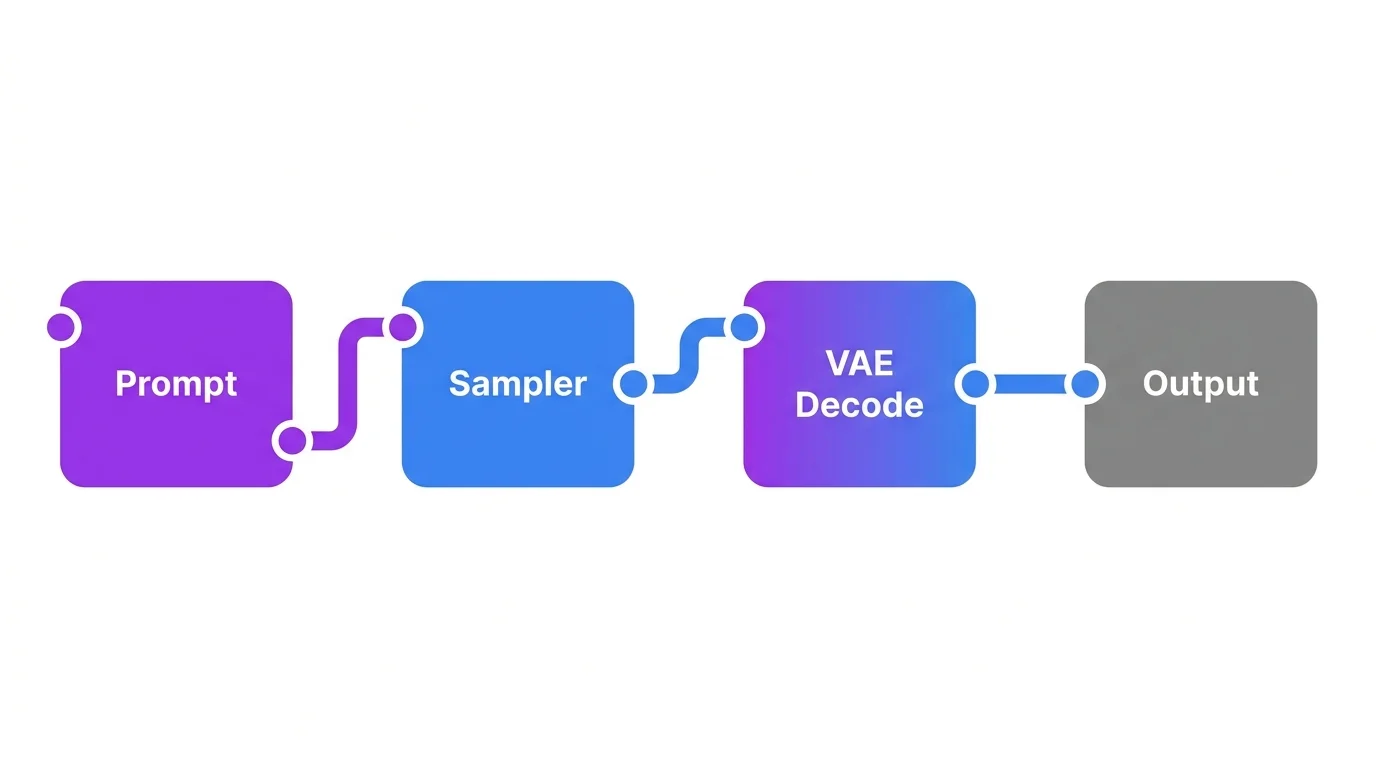
Stable Diffusion Prompt Guide
Open-source power: ComfyUI, weighted keywords, LoRA, ControlNet, and advanced techniques.
Read Guide →AI Art Use Cases & Trends
Practical guides for using AI art in the real world. Social media strategies, portfolio building, commercial licensing, pricing comparisons, and the complete AI art glossary.
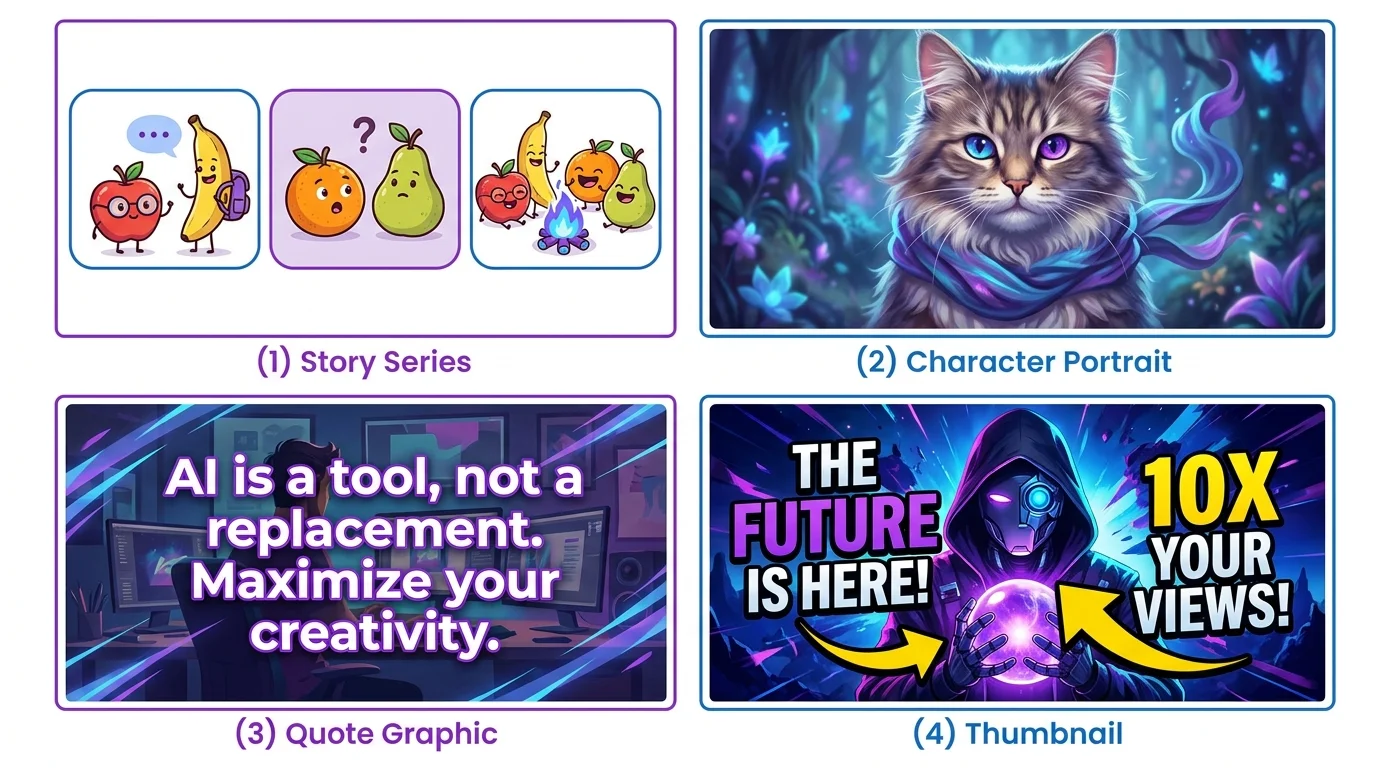
AI Art for Social Media
Content types, platform specs, posting schedules, and growth strategy for AI art creators.
Read Guide →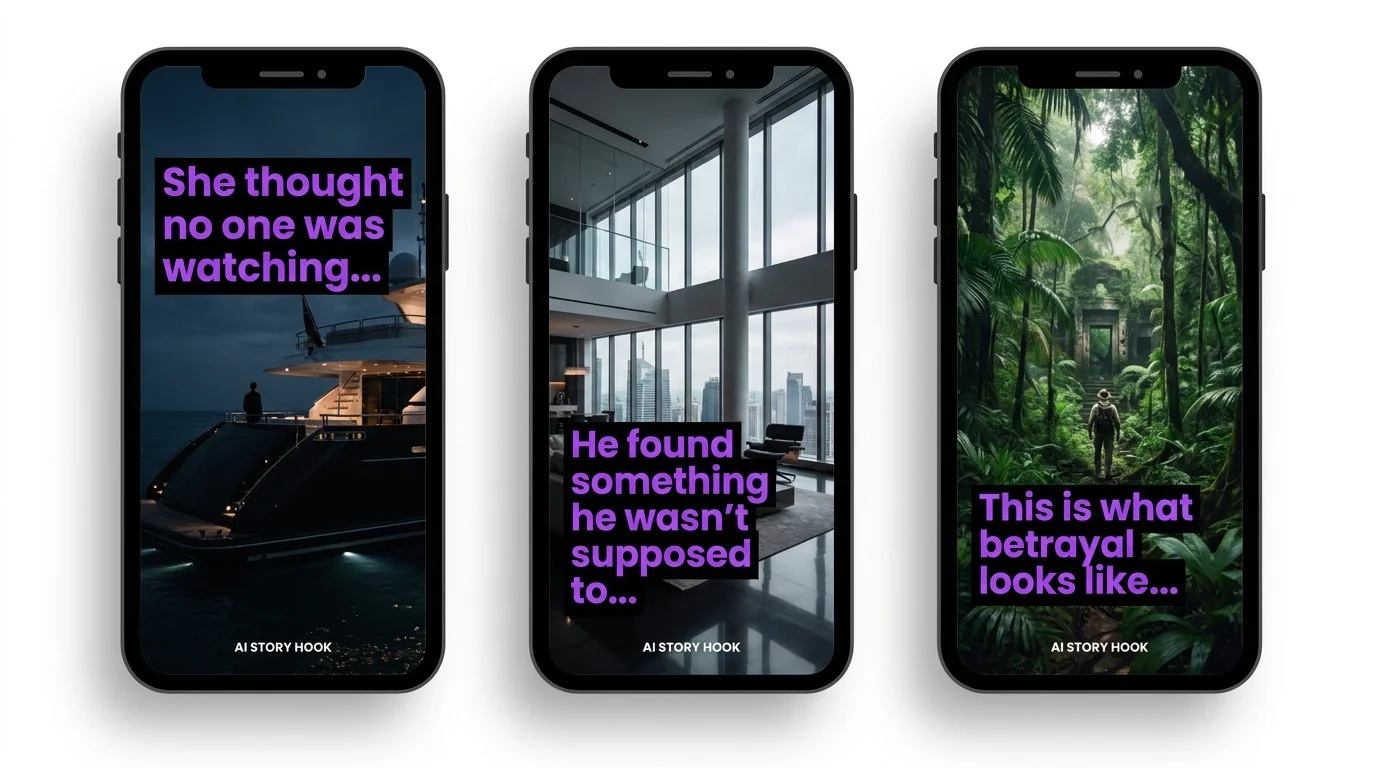
Viral AI Stories on TikTok
Hook formulas, CapCut editing, algorithm optimization, and the story structures that go viral.
Read Guide →
Build an AI Art Portfolio
What to include, where to host, how to present professionally, and landing your first clients.
Read Guide →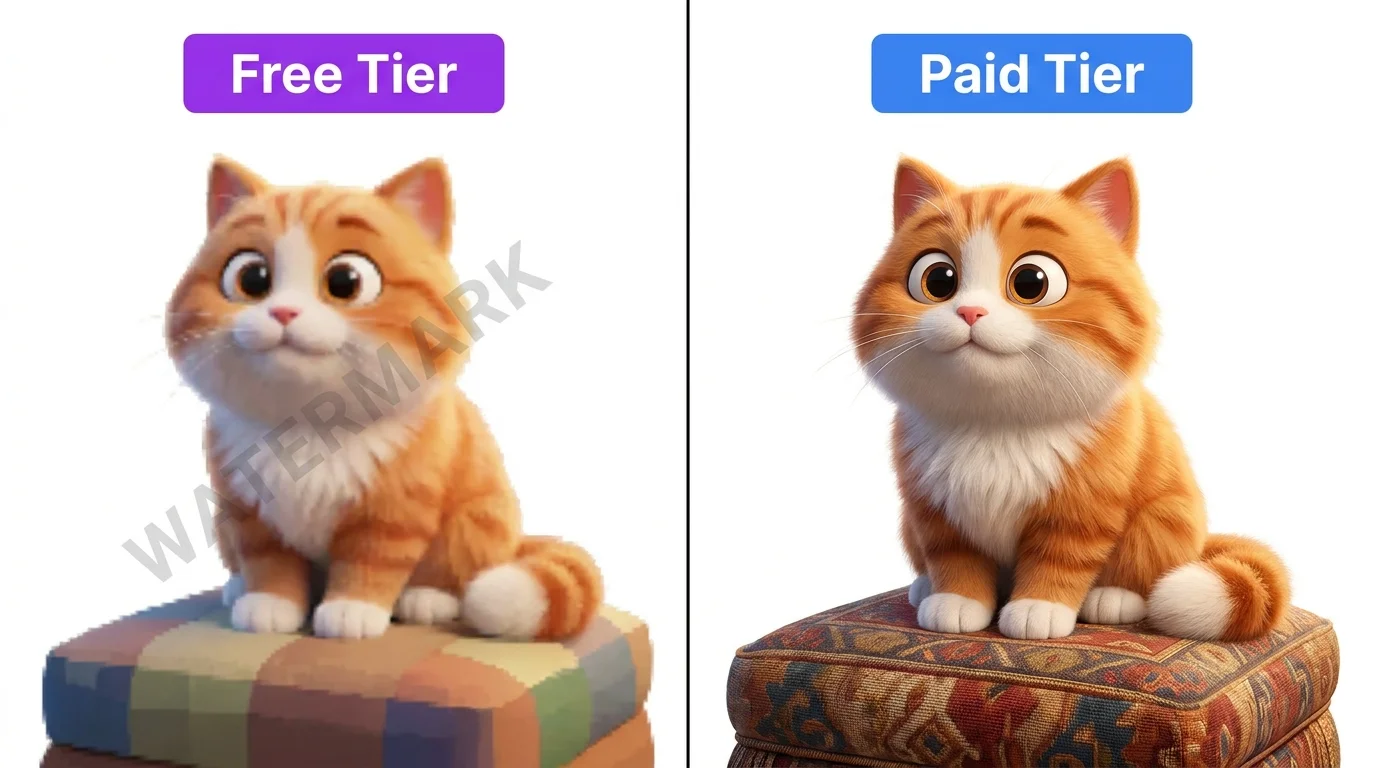
Free vs Paid Generators
What you actually get for free vs paid. Hidden costs, quality differences, and best value picks.
Read Guide →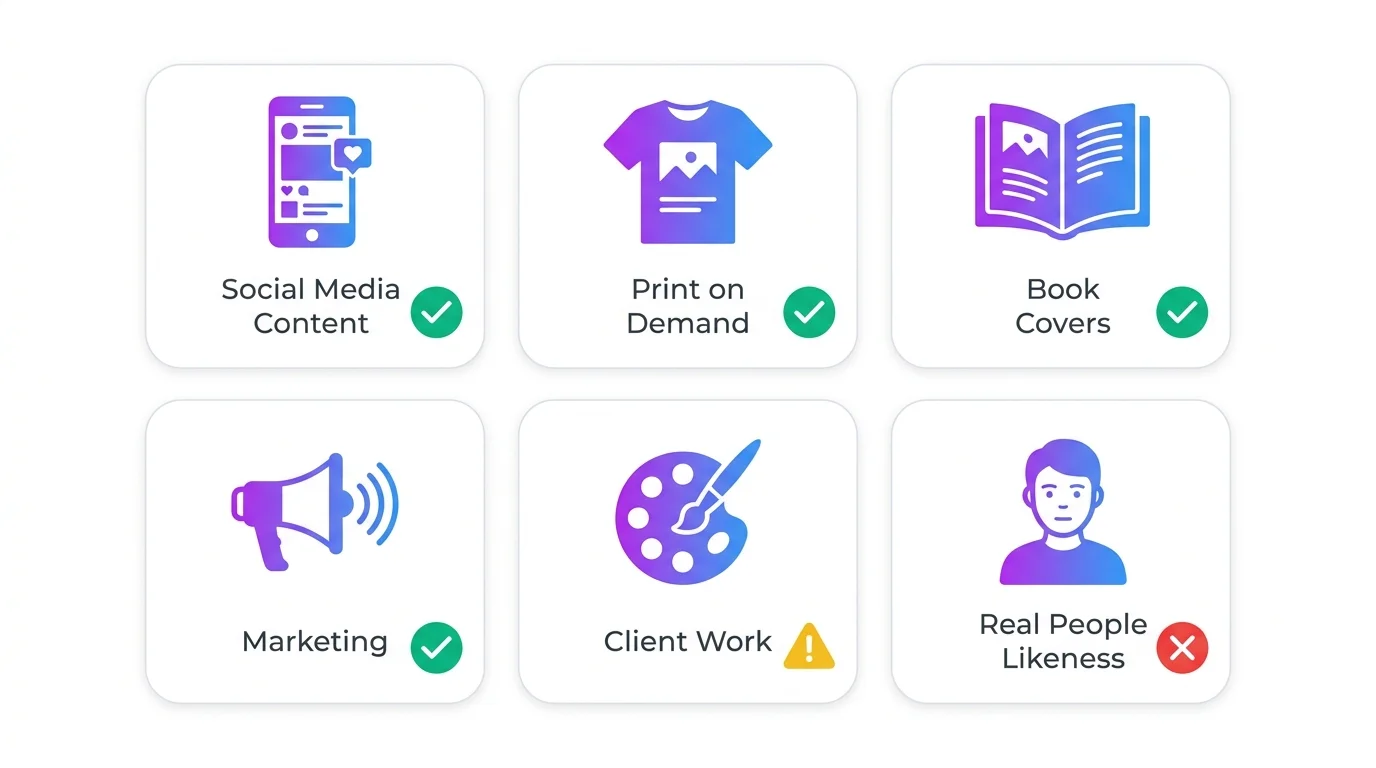
Commercial Use of AI Art
Licenses by platform, legal considerations, safe use cases, and a best practices checklist.
Read Guide →
AI Prompt Glossary
100+ AI art terms explained: CFG scale, LoRA, ControlNet, sampling steps, and everything else.
Read Guide →What You'll Learn
Master Prompt Engineering
Write prompts that produce exactly what you envision on the first try.
Create Consistent Characters
Keep the same character across 20+ images for visual stories and series.
Build Visual Stories
Create complete AI narratives for TikTok, Instagram, and YouTube.
Use AI Art Commercially
Understand licensing, build a portfolio, and monetize your AI artwork.
Choose the Right Tool
Compare Midjourney, DALL-E, Leonardo, and Stable Diffusion for your needs.
Avoid Common Mistakes
Fix blurry, inconsistent, or ugly AI images with proven solutions.
Cinematic Photography
Apply real film techniques: golden hour, bokeh, Dutch angles, color grading.
Go Viral on TikTok
Story structures, hook formulas, and posting strategies that get millions of views.
How to Use These Guides
Choose Your Level
New to AI art? Start with "How to Write AI Image Prompts." Already creating? Jump to tool-specific or advanced guides.
Follow Along
Every guide has visual examples and copy-paste prompts. Open your AI generator and try each technique as you read.
Build Something
Apply what you learned: create a character, build a story, post on social media, or start a portfolio.
Who Are These Guides For?
🎨 Complete Beginners
Never used an AI image generator before? Start here. We explain everything from zero, no technical background needed.
📱 Content Creators
TikTok, Instagram, YouTube creators looking to add AI-generated visuals to their content strategy.
💼 Freelancers & Designers
Professionals wanting to add AI art to their toolkit for client work, mockups, and rapid prototyping.
🎯 AI Art Hobbyists
Already creating but want to level up? Advanced techniques, tool comparisons, and professional workflows.
See These Techniques in Action
Our AI visual stories use every technique from these guides. Character consistency, cinematic lighting, scene-by-scene prompting, and more.
Explore AI StoriesThe State of AI Art in 2026
AI image generation has gone from a niche experiment to a mainstream creative tool in under three years. In 2023, most people had only heard of DALL-E and Midjourney. Today, there are over a dozen production-ready generators, each with unique strengths. The quality gap between human-created and AI-generated visuals continues to narrow every quarter.
What changed the most is not the technology itself but how people use it. Content creators now produce entire visual stories for TikTok and Instagram using nothing but text prompts. Freelance designers use AI to prototype concepts in minutes instead of hours. Marketing teams generate campaign imagery at a fraction of the traditional cost. Even traditional artists use AI as a brainstorming tool, generating reference images and exploring compositions before picking up a brush.
The key skill in this new landscape is prompt engineering. The people who produce the best AI images are not necessarily the most artistic. They are the ones who understand how to communicate with the model: which keywords trigger which effects, how to control lighting and composition through text, and which platform handles which style best.
That is exactly what these guides teach. Each one focuses on a specific aspect of AI image creation, from the fundamental prompt formula to advanced techniques like character consistency across multiple scenes. Whether you are creating your first AI image or building a business around AI-generated content, there is a guide here for you.
What Is Prompt Engineering?
Prompt engineering is the practice of writing text instructions that guide AI models to produce specific outputs. For image generation, it means choosing the right words, in the right order, to get the visual result you want. It is part writing, part art direction, and part technical knowledge.
A good prompt has five core components: a clear subject description, an art style keyword, specific details about clothing and environment, a lighting setup, and a camera angle or composition choice. Miss any one of these and the AI fills in the blanks randomly. Include all five and you get consistent, high-quality results.
The term "prompt engineering" might sound technical, but it does not require a programming background. If you can describe a scene in plain English, you can write an effective AI prompt. Our beginner guide walks you through every step, from your first 5-word prompt to advanced techniques like negative prompts and weighted keywords.
Why Different Platforms Need Different Prompts
Not all AI generators interpret prompts the same way. Midjourney responds strongly to concise, aesthetic-focused keywords and uses its own parameter system (--ar, --stylize, --cref). Stable Diffusion uses weighted parentheses syntax and benefits from negative prompts. DALL-E and ChatGPT prefer natural, conversational descriptions. Leonardo AI sits somewhere in between, with a keyword-based approach plus model-specific settings.
This is why we created separate platform guides. The core principles stay the same, but the execution differs per tool. Knowing these differences means you can get the best output from whichever generator you choose.
Common Misconceptions
Many beginners believe longer prompts always produce better results. In reality, prompt length has diminishing returns after about 75 words. The quality of your keywords matters far more than the quantity. A 40-word prompt with precise style, lighting, and composition keywords will outperform a 200-word wall of text every time.
Another misconception is that AI art requires expensive tools. Several generators offer free tiers that are more than sufficient for learning and creating personal projects. Our free vs paid comparison guide breaks down exactly what you get at each price point.
Your Learning Roadmap
Not sure where to start? Follow this path based on your experience level.
Beginner: Learn the Formula
Start with How to Write AI Image Prompts. This teaches the 5-part formula that works on every platform. Then read 10 Prompt Mistakes to Avoid so you do not pick up bad habits early.
Intermediate: Explore Styles & Tools
Explore AI Art Styles and Camera Angles & Lighting. Then pick your tool and follow the dedicated guide: Midjourney, DALL-E, Leonardo AI, or Stable Diffusion.
Advanced: Build Stories & Monetize
Master Character Consistency, then create full AI Visual Stories and TikTok/Reels content. For business: check Commercial Use and Portfolio Building.
AI Image Generators We Cover
Each of these platforms has a dedicated in-depth guide in our collection. Here is a quick overview of what makes each one unique.
| Platform | Best For | Price | Guide |
|---|---|---|---|
| Midjourney | Artistic quality, aesthetics, stylized art | From $10/mo | Read Guide |
| ChatGPT / DALL-E | Conversational prompting, iterations | Free tier available | Read Guide |
| Leonardo AI | Speed, model variety, real-time canvas | Free tier (150 tokens/day) | Read Guide |
| Stable Diffusion | Full control, open source, local install | Free (local) | Read Guide |
| Adobe Firefly | Commercial safety, stock integration | Free tier (25 credits/mo) | Coming Soon |
| Google Flux | Text rendering, prompt accuracy | Varies | Coming Soon |
For a full side-by-side breakdown, see our AI Generator Comparison Guide.
Frequently Asked Questions
Yes, all 20 guides are completely free. No signup required. Every guide includes copy-paste prompt examples you can use immediately with any AI image generator.
If you're a beginner, start with ChatGPT's built-in image generation (free tier available) or Leonardo AI's free plan. For best quality, Midjourney is the industry leader. Our generator comparison guide breaks down all options.
No. AI image generation is text-based - you describe what you want in plain English. Our guides teach you the specific keywords and structure that get the best results, starting from zero experience.
It depends on the platform. Midjourney (paid plans), DALL-E, and Stable Diffusion allow commercial use. Our commercial use guide explains the exact license terms for each platform.
You can create good images within 10 minutes of reading our beginner guide. Mastering advanced techniques like character consistency, cinematic lighting, and style mixing takes a few weeks of practice.
Midjourney excels at artistic quality, DALL-E integrates with ChatGPT for conversational prompting, and Stable Diffusion is free/open-source with unlimited customization. Each has different strengths covered in our tool guides.
Ready to Start?
Our most popular guide teaches you the exact prompt formula used by professionals.
Start: How to Write AI Image Prompts →