Why Camera & Lighting Keywords Transform AI Art
Camera angles and lighting are what separate amateur AI images from professional-looking ones. A perfectly described subject with flat, generic lighting will always look worse than a simple subject with dramatic, intentional lighting. These keywords tell the AI's virtual camera WHERE to be and HOW to light the scene.
Think of it this way: the subject is your actor, the style is your film stock, but the camera angle and lighting are your cinematographer. If you've already mastered the prompt formula and art styles, this is the third pillar that completes your skill set.
Camera Angles
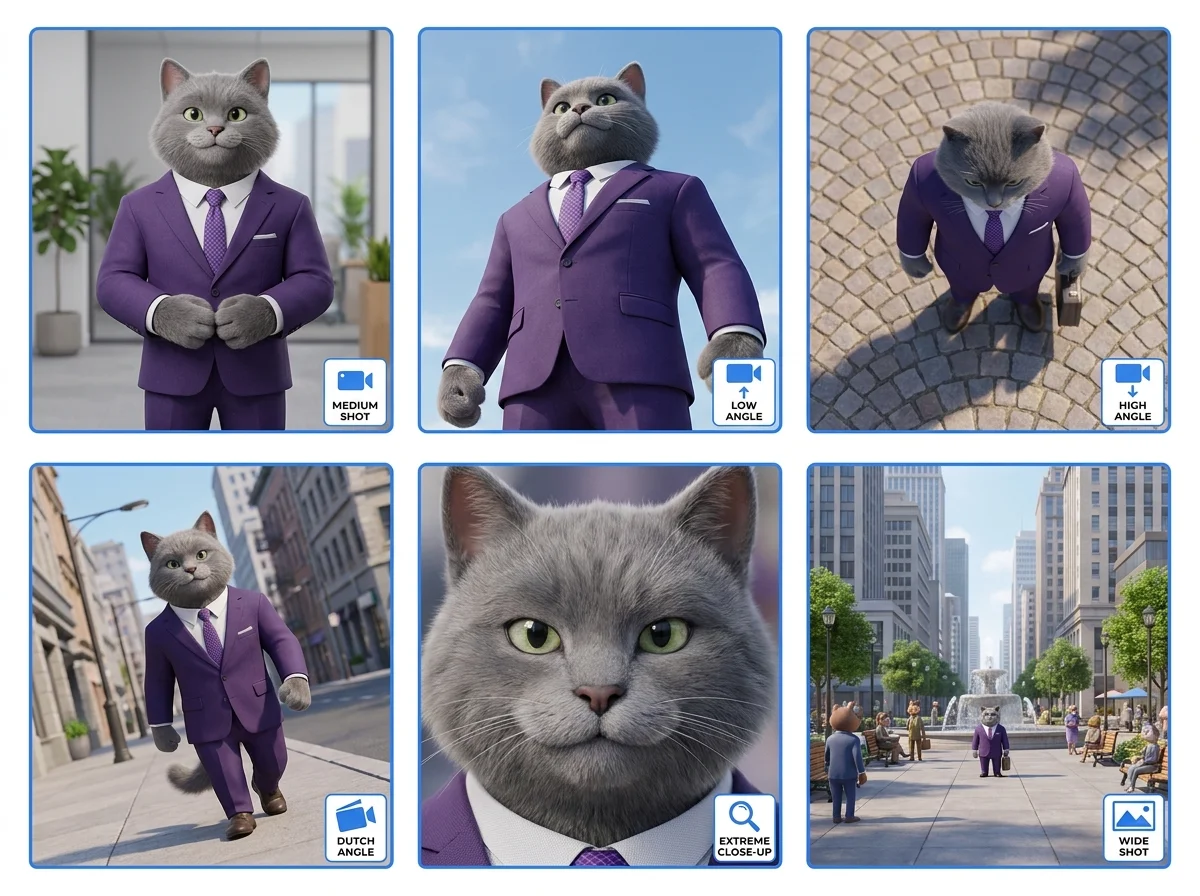
Every camera angle creates a different psychological effect. Here's when to use each one:
Eye Level
Neutral, natural perspective. The viewer feels equal to the subject. Use for: portraits, product shots, everyday scenes.
Prompt keywords: "eye level shot," "straight on," "at eye height," "neutral angle"
Low Angle / Hero Shot
Camera looking UP at the subject. Makes everything appear powerful, imposing, heroic. This is the #1 angle for character introductions and dramatic moments.
Prompt keywords: "low angle shot," "hero shot," "looking up at," "worm's eye view," "from below"
High Angle / Bird's Eye
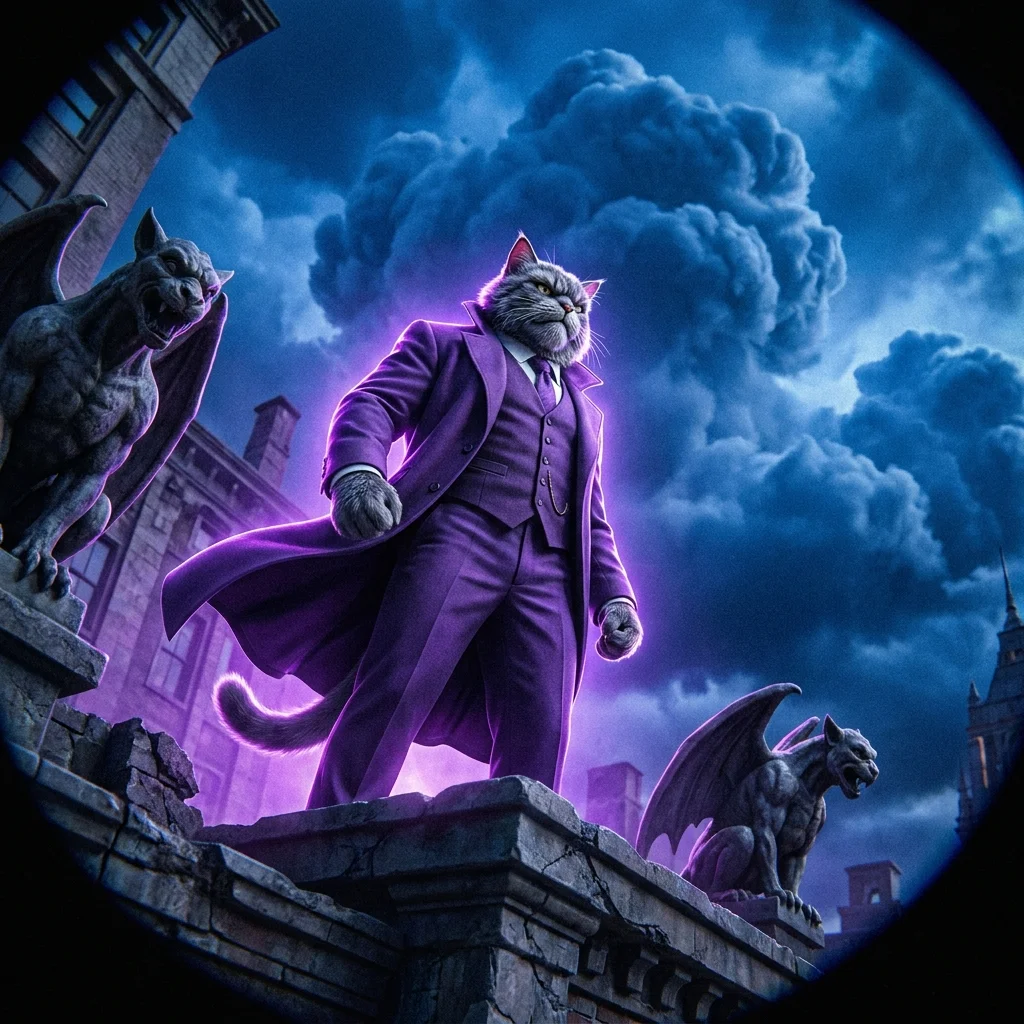
Camera looking DOWN at the subject. Makes subjects appear small, vulnerable, or overwhelmed. Great for establishing scale or showing isolation.
Prompt keywords: "high angle shot," "bird's eye view," "looking down at," "overhead shot," "top-down"
Dutch Angle
Camera tilted diagonally. Creates unease, tension, disorientation. Perfect for horror, thriller, or chaotic scenes. Use sparingly - it's a strong effect.
Prompt keywords: "Dutch angle," "tilted frame," "canted angle," "diagonal composition"
Over-the-Shoulder
Camera positioned behind one character's shoulder, looking at another. Creates intimacy and context in dialogue or confrontation scenes.
Prompt keywords: "over the shoulder shot," "OTS shot," "looking past shoulder at"
Extreme Close-Up
Fills the frame with a detail - an eye, a hand, an object. Creates intensity, intimacy, or draws attention to a specific element.
Prompt keywords: "extreme close-up," "macro shot," "tight on face," "detail shot," "ECU"
Wide Shot / Establishing Shot
Shows the full environment with the subject small within it. Sets context, establishes location, shows scale.
Prompt keywords: "wide shot," "establishing shot," "full body in environment," "wide angle"
Aerial / Drone Shot
High above, looking down at a landscape or scene. Creates epic scale and context. Perfect for environments, cities, and nature.
Prompt keywords: "aerial shot," "drone shot," "bird's eye landscape," "overhead aerial view"
Lighting Setups
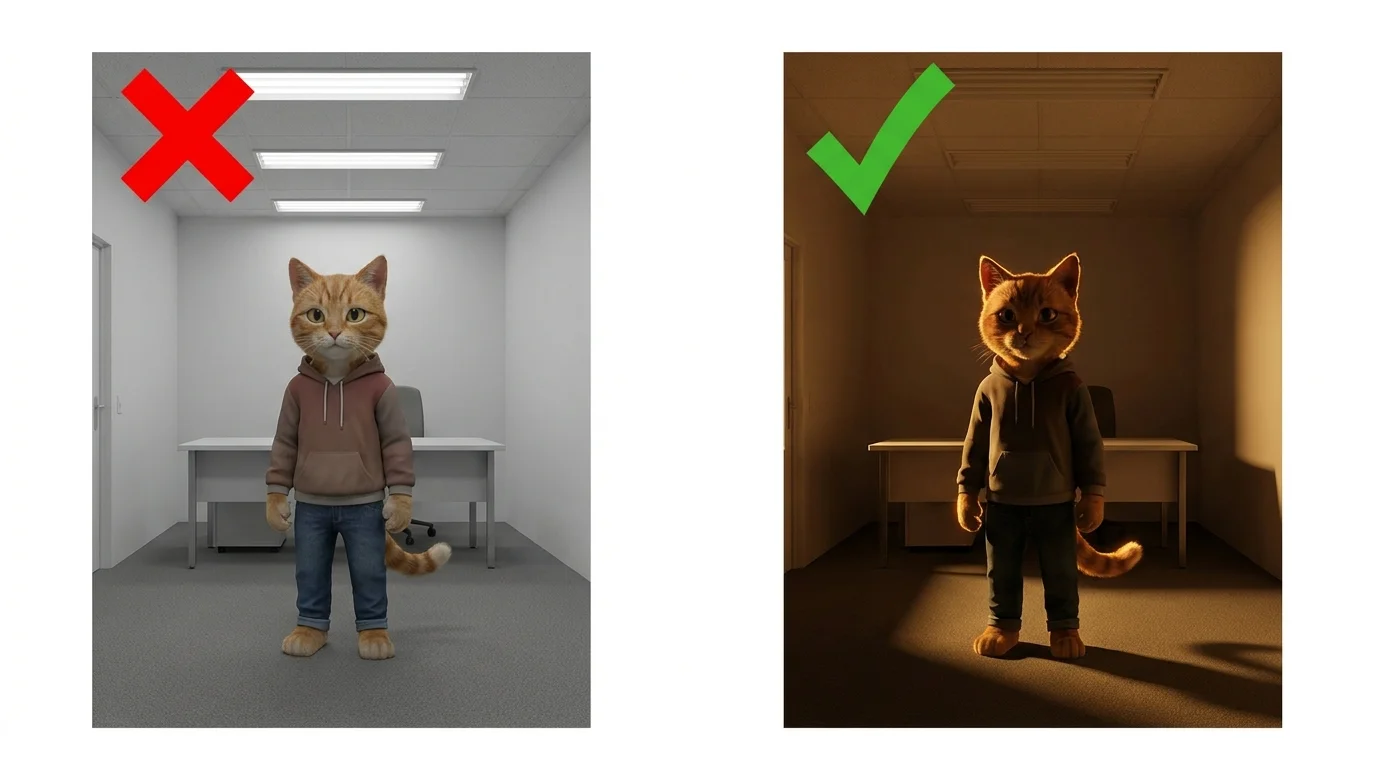
Lighting is the single biggest factor in mood and quality. Here are the essential setups:
Golden Hour
Warm orange-golden light from a low sun. The most universally flattering lighting. Makes everything look warm, inviting, and cinematic.
Prompt keywords: "golden hour lighting," "warm sunset light," "low sun warm glow," "magic hour"
Rembrandt Lighting
One side of the face lit, the other in shadow with a small triangle of light on the dark cheek. The classic portrait technique named after the painter.
Prompt keywords: "Rembrandt lighting," "triangle light on cheek," "dramatic portrait lighting," "chiaroscuro"
Rim / Backlighting
Light from behind the subject, creating a glowing edge/outline. Separates subject from background dramatically. Creates a halo effect on hair and shoulders.
Prompt keywords: "rim lighting," "backlit," "edge lighting," "light behind subject," "silhouette rim"
Neon / Cyberpunk Lighting
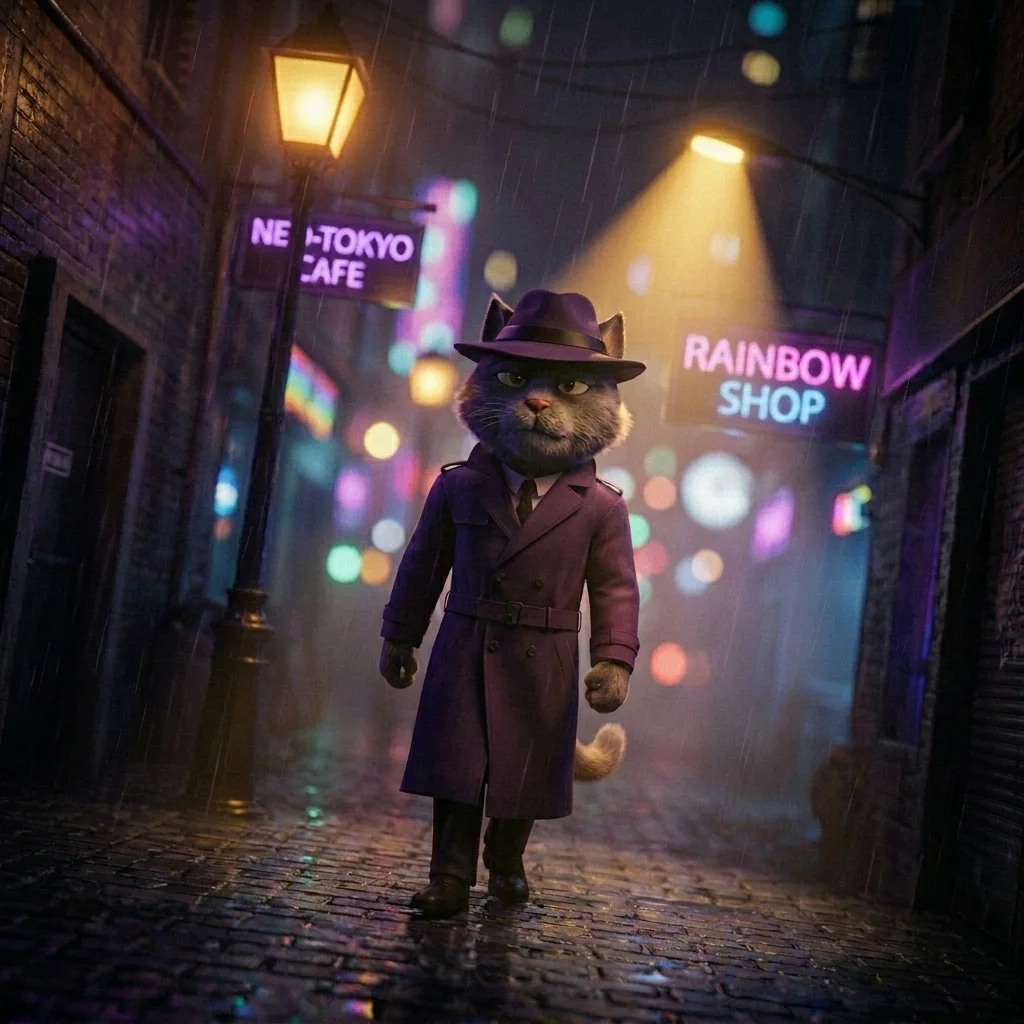
Colored artificial light - pink, blue, purple neon reflections. Creates the iconic cyberpunk look. Works brilliantly in rain (reflections on wet surfaces).
Prompt keywords: "neon lighting," "pink and blue neon glow," "neon reflections," "cyberpunk lighting"
Dramatic Side Lighting
Strong light from one side, deep shadows on the other. Maximum drama and contrast. Creates mystery and intensity.
Prompt keywords: "dramatic side lighting," "hard light," "strong shadows," "high contrast lighting"
Soft Studio Lighting
Even, diffused light with soft shadows. Professional and clean. Best for product photography and beauty shots.
Prompt keywords: "soft studio lighting," "diffused light," "softbox," "even lighting," "beauty lighting"
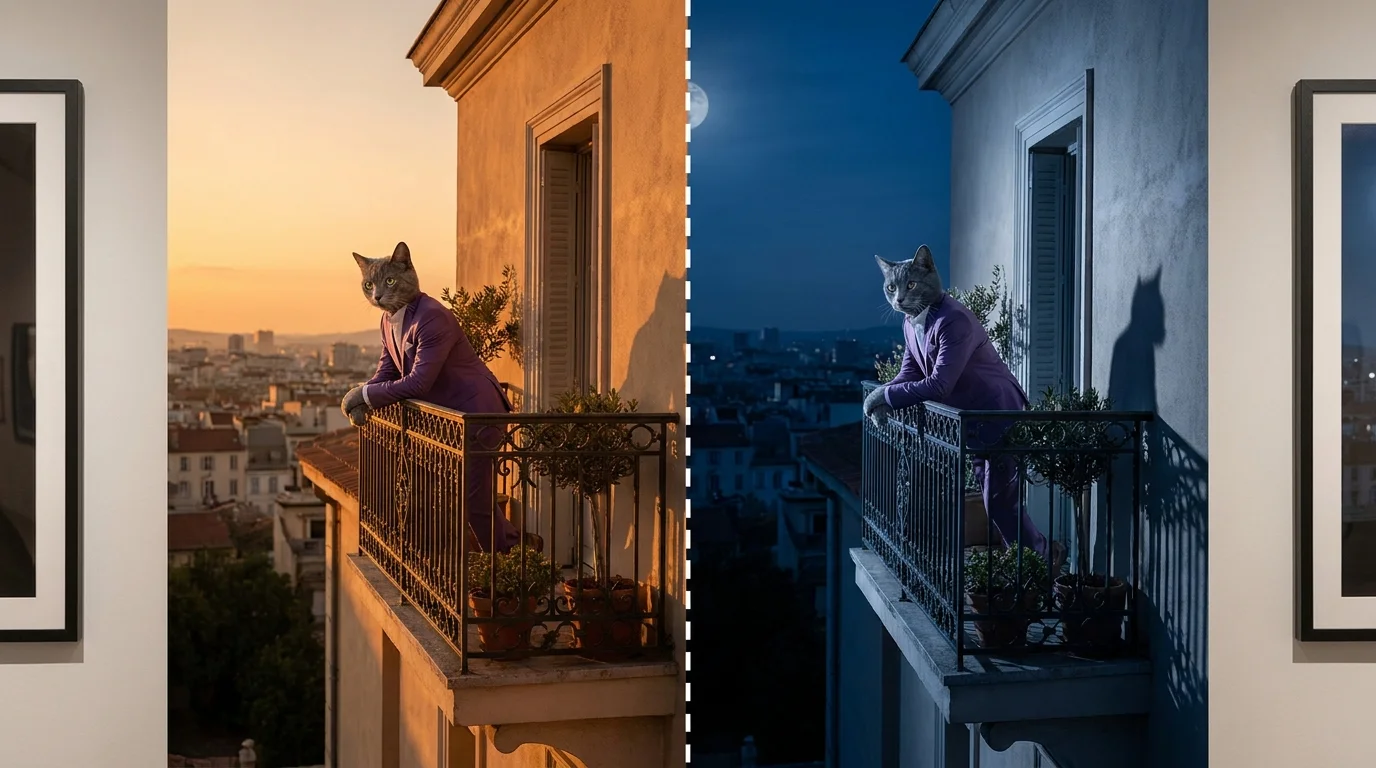
Moonlight
Cool blue-silver light with deep shadows. Atmospheric and mysterious. Best for nighttime scenes and moody environments.
Prompt keywords: "moonlight," "cold blue night lighting," "moonlit scene," "lunar glow"
Volumetric / God Rays
Visible light beams cutting through dust, fog, or atmosphere. Instantly cinematic. Works in forests, churches, dusty rooms, or any atmospheric environment.
Prompt keywords: "volumetric lighting," "god rays," "light rays through dust," "crepuscular rays," "sunbeams"
Composition Keywords
Rule of Thirds
Subject placed at the intersection of imaginary grid lines, not centered. Creates dynamic, professional compositions.
Prompt keywords: "rule of thirds composition," "off-center subject," "asymmetric framing"
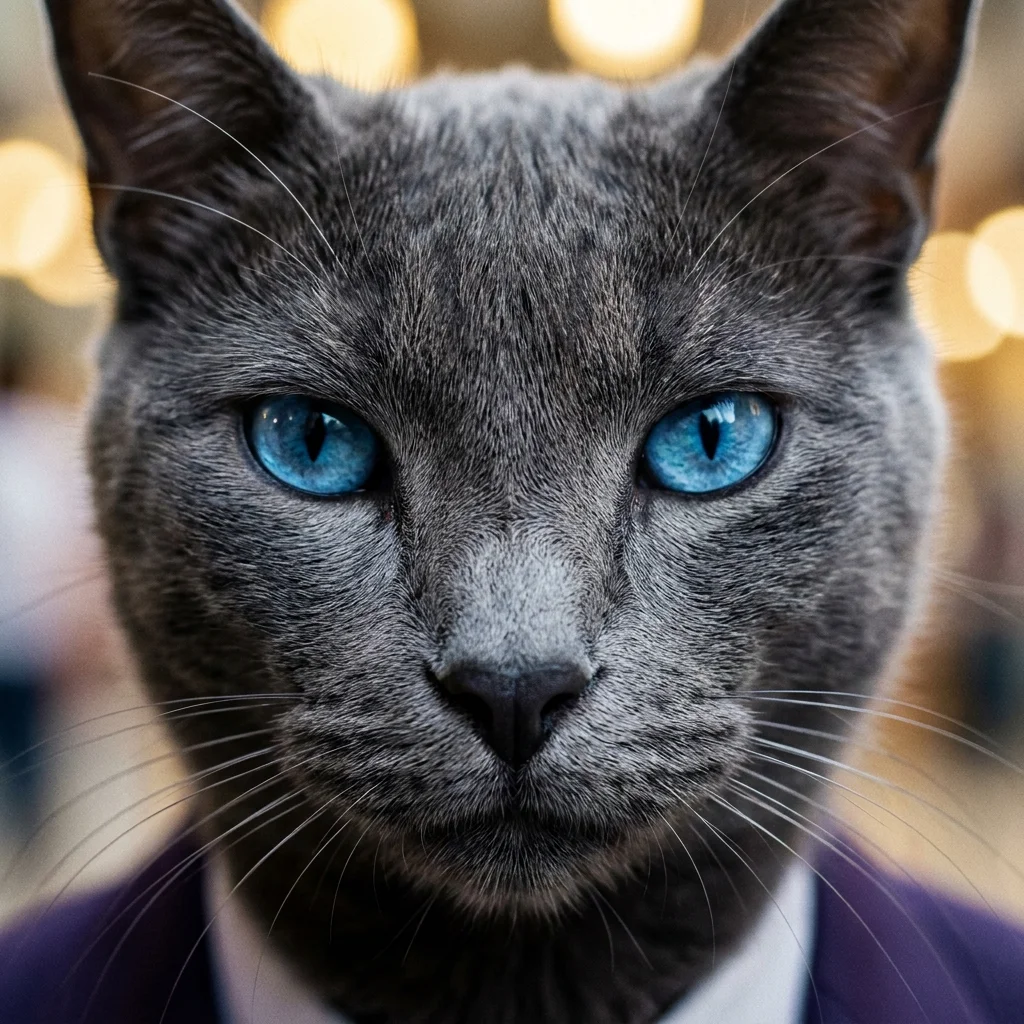
Shallow Depth of Field / Bokeh
Subject sharp, background (or foreground) blurred into smooth circles of light. The most requested composition effect for professional look.
Prompt keywords: "shallow depth of field," "f/1.4," "bokeh background," "creamy bokeh," "blurred background"
Leading Lines
Lines in the scene (roads, railways, corridors) that guide the eye toward the subject. Creates depth and draws the viewer in.
Prompt keywords: "leading lines," "converging lines," "perspective lines," "vanishing point"
Symmetry
Perfect balance left-to-right or top-to-bottom. Creates order, grandeur, and visual satisfaction. Think Wes Anderson or architectural photography.
Prompt keywords: "perfect symmetry," "symmetrical composition," "centered symmetry," "mirror composition"
Combining Angles + Lighting + Composition
The magic happens when you combine all three. Here's a formula for cinematic results:
Formula: [Camera Angle] + [Lighting Setup] + [One Composition Technique]
- Hero Portrait: "low angle shot + golden hour rim lighting + shallow depth of field"
- Moody Thriller: "Dutch angle + neon side lighting + leading lines in corridor"
- Epic Landscape: "aerial drone shot + golden hour + rule of thirds"
- Intimate Close-up: "extreme close-up + Rembrandt lighting + shallow DOF f/1.2"
- Power Scene: "low angle wide shot + dramatic side lighting + symmetrical composition"
For more cinematic combinations applied to full stories, see our cinematic narratives guide. To pair these with the right art styles, check that guide next.
Cheat Sheet
| Effect | Copy-Paste Keywords | Best For |
|---|---|---|
| Power/Hero | low angle hero shot, dramatic rim lighting | Characters, intros |
| Cinematic | golden hour, volumetric light, shallow DOF | Any scene, stories |
| Portrait | Rembrandt lighting, 85mm f/1.4, eye level | Faces, headshots |
| Moody/Dark | side lighting, high contrast, moonlight | Thriller, horror |
| Epic Scale | aerial drone shot, wide angle, golden hour | Landscapes, cities |
| Cyberpunk | Dutch angle, neon pink blue lighting, rain | Sci-fi, night scenes |
| Intimate | extreme close-up, soft lighting, f/1.2 bokeh | Details, emotions |
Now put your prompt formula together with these camera techniques to produce professional-quality AI images on any platform.